
GBP/EUR exchange rate week review: pound falls to 30-month low versus euro
10/11/2025 to 14/11/2025: The pound slumped to its lowest level against the euro since May 2023, pressured by weak UK economic data, rising unemployment, and political uncertainty surrounding Chancellor Rachel Reeves's autumn budget.
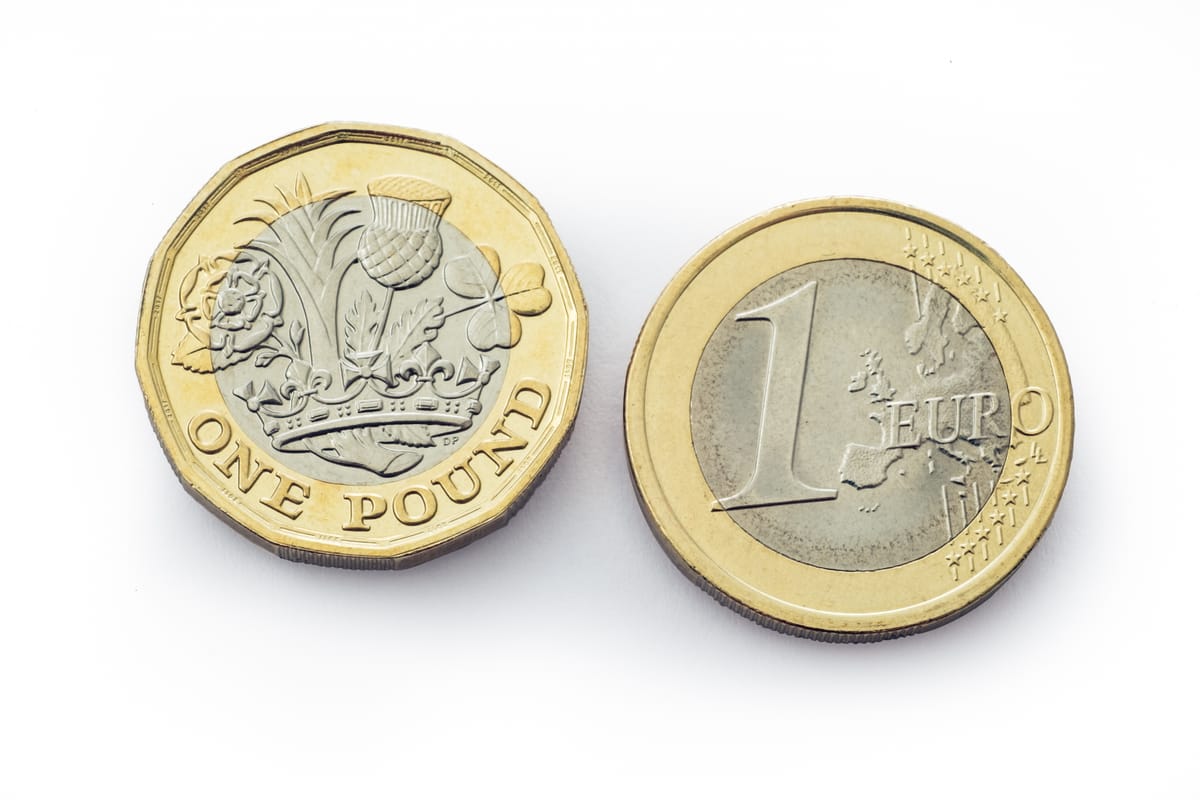
Monday
The pound euro (GBP/EUR) exchange rate edged higher amid an improving market mood. However, investor sentiment towards the UK currency was checked by ongoing nerves surrounding Chancellor Rachel Reeves’s forthcoming autumn budget.
The safer euro was subdued by increasingly risk-on market conditions,which were stoked by optimism around the US funding bill and stronger-than-expected Chinese inflation data.
Tuesday
The pound softened into the 1.13 mid-range against the euro following the release of an underwhelming UK jobs report, which reinforced expectations that the Bank of England (BoE) will lower interest rates in December. The print showed unemployment rose to 5% in the three months to September – the highest since May 2021 – while wage growth slowed.
The euro firmed after sidestepping an unexpected fall in German economic sentiment for November. Support for the single currency was fuelled by its inverse relationship with a weakening dollar and mounting belief that the European Central Bank (ECB) has finished loosening policy, even as other major central banks look set to continue.
Wednesday
The pound dropped to its lowest level versus the euro in more than two years after Prime Minister Sir Keir Starmer faced alleged threats to his leadership. The UK currency was down 0.4% to around 1.131 following accusations of a leadership coup by Health Secretary Wes Streeting that could lead to higher borrowing.
The euro was muted as a slight dollar recovery and a risk-on market mood dampened demand for the single currency.
Thursday
The pound euro exchange rate sank to a fresh 30-month low after UK GDP growth slowed to 0.1% in the three months to September, undershooting the 0.2% growth forecasted by economists. The weaker-than-expected print reinforced BoE rate cut expectations and ramped up pressure on Chancellor Rachel Reeves ahead of the autumn budget.
The euro edged higher thanks its inverse relationship with the dollar. However, the single currency’s upside was constrained by the Eurozone’s latest industrial output data, which fell short of forecasts.
Friday
An empty UK data docket exposed the pound to reports that Rachel Reeves has no plans to raise income tax rates in the upcoming budget. The news deterred investors from the UK currency as hopes of a hike to help fill an expected fiscal shortfall were quashed.
The euro was supported by the publication of the European Commission’s spring 2025 economic forecast, which showed that “the EU economy started this year stronger than anticipated. It is projected to keep growing slowly in 2025, with growth expected to pick up in 2026.”
The pound euro exchange rate ended the week at around 1.132.
Looking ahead
A raft of influential data releases hit the headlines on both sides in the coming week, including: UK Consumer Price Index (Wednesday), German HCOB Composite PMI (Friday), Eurozone HCOB Composite PMI (Friday), UK S&P Global Composite PMI (Friday), UK Retail Sales (Friday).